Fingerboard Grip Tape Guide: Foam vs Sandpaper-Style
Fingerboard grip tape comes in two fundamentally different constructions: foam tape, which has a soft, slightly padded surface favored by serious and competition-level riders for its realistic board feel and finger-friendly texture, and sandpaper-style tape, which offers aggressive mechanical grip from an abrasive surface at a lower price. Foam grip has become the preferred choice among dedicated fingerboarders because it closely mimics the feel of real skateboard grip tape under fingers while being gentler on skin during long sessions. Sandpaper grip works well and is widely available, but its rough texture can wear fingertips raw over extended sessions.
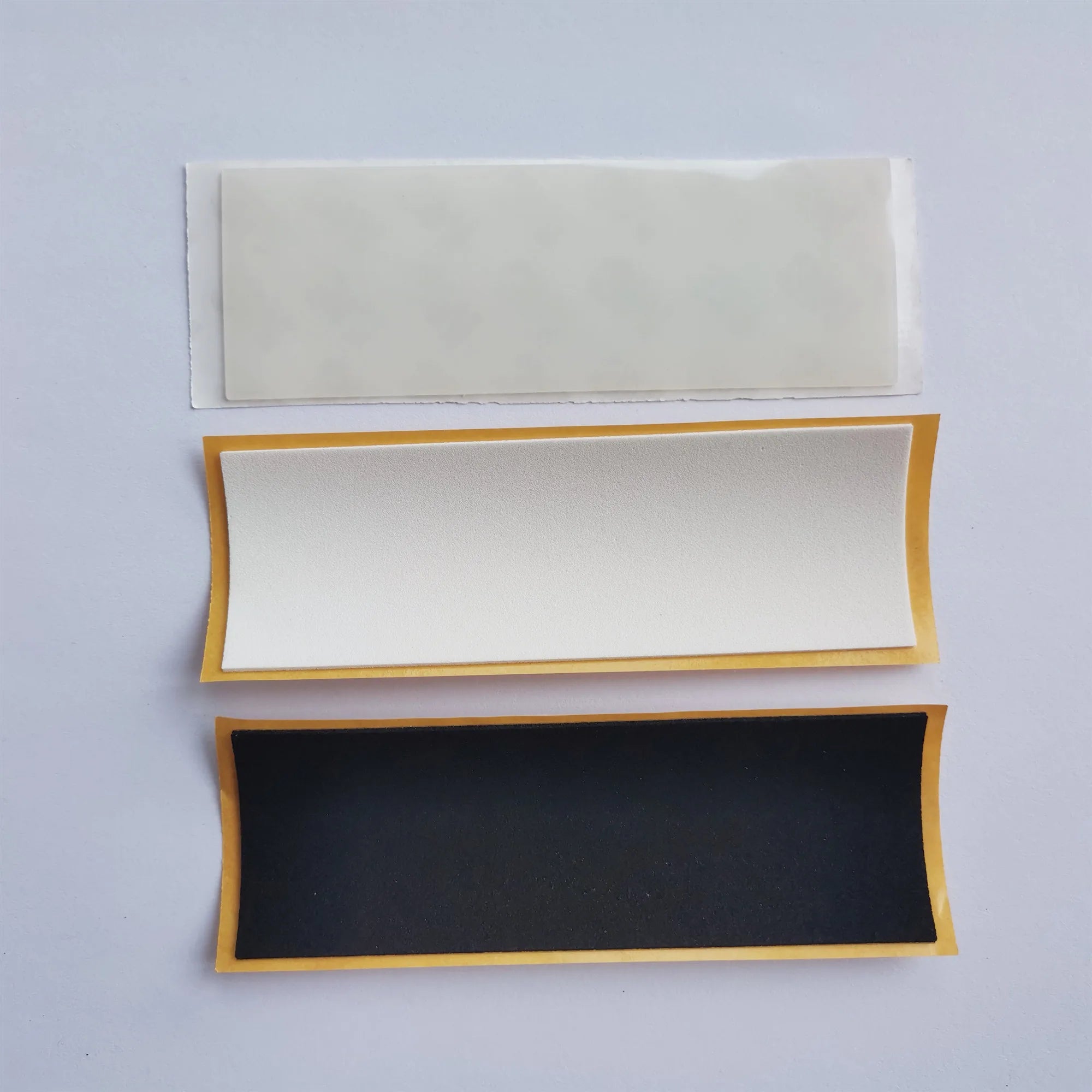
Foam Grip Tape — 110×38mm Uncut Sheets
What Fingerboard Grip Tape Does
Grip tape on a fingerboard serves the same purpose it does on a full-size skateboard: it creates friction between the board surface and your fingers, allowing you to control the deck through flicks, catches, and footplants without the board sliding out from under your fingers unpredictably. Without any grip, the deck surface is too smooth to allow the precise finger contact needed for technical tricks.
Unlike full-size skateboard grip, where the abrasive surface needs to hold a shoe sole, fingerboard grip needs to work with skin. This difference drives much of the engineering distinction between foam and sandpaper-style options. Skin is softer and more sensitive than shoe rubber, so the abrasiveness that works perfectly for shoes can become uncomfortable on fingers during a long session.
Foam Grip Tape: Feel, Advantages, and Drawbacks
Foam grip tape is a thin sheet of polyurethane foam with a slightly textured or micro-perforated surface and a pressure-sensitive adhesive backing. The foam construction gives it a subtle give under finger pressure that many riders describe as the most realistic analog to how actual skate grip tape feels under a shoe. It is significantly softer against skin than sandpaper, which makes extended sessions more comfortable.
The grip level of quality foam tape is sufficient for precise trick execution. It does not grip as aggressively as coarse sandpaper, but most experienced riders consider this a feature rather than a flaw, because it allows for the smooth flick motions that technical tricks require without fingers catching and dragging. This is one reason foam grip has become the dominant choice among serious and competitive fingerboarders.
Foam tape does have drawbacks. It is typically more expensive than sandpaper alternatives and can be harder to find from general craft or hardware sources. Because it does not grip as aggressively, beginners who are still learning basic control may find sandpaper tape helps them keep the board under their fingers more consistently while their technique develops.
Sandpaper-Style Grip: Feel, Advantages, and Drawbacks
Sandpaper-style grip tape uses an actual abrasive grit surface, similar in construction to finishing sandpaper but with a pressure-sensitive adhesive backing instead of a paper backing. The grip it provides is immediate and strong, and it is significantly more available than specialty foam tape because it can be approximated using fine-grit sandpaper available at any hardware store.
For beginners, the higher friction of sandpaper grip can be genuinely helpful. When you are still learning the placement and timing of finger flicks, having a very grippy surface provides more forgiveness. The board is less likely to slip from an imprecise catch because the abrasive surface holds on where foam tape might allow the board to rotate out.
The primary drawback is comfort over time. Abrasive grit that grips well also abrades skin, and riders who session for extended periods consistently report more finger wear and discomfort with sandpaper grip than with foam. Some riders manage this by using sandpaper tape on a practice board while reserving foam-taped decks for serious sessions, but most who advance in the hobby eventually switch to foam as their primary grip.
Cutting and Applying Grip Tape to a Deck
Applying grip tape cleanly is a straightforward process that rewards patience and precision. Start with a piece of tape slightly larger than the deck on all sides. Peel the protective backing from the adhesive side and lay the deck face-down onto the tape, pressing firmly from the center outward to eliminate any air bubbles. Air bubbles that stay trapped under the tape will eventually cause the tape to peel up at those points.
Once the deck is adhered to the tape, use the edge of a screwdriver handle or another rounded hard object to burnish along the deck's edges. This scoring motion both presses the tape firmly into the perimeter and creates a visible cut line. Trim the excess tape along this scored line with a sharp craft knife or scissors, working carefully around the nose and tail kicks where the deck curves. Clean, close trimming along the edges prevents lifting and gives the finished board a professional appearance.
For bolt holes, press the nose of a bolt through from the deck side after grip is applied to punch clean holes through the tape without tearing it. Trying to pre-cut holes and then align them with the bolt holes rarely produces a clean result.
When to Replace Fingerboard Grip Tape
Grip tape wears out and should be replaced before it begins affecting your tricks. The clearest signs that replacement is due are areas where the tape has begun to peel at the edges or across the surface, visible flattening or smoothing of the grip texture in the high-contact zones where your fingers land most often, or contamination from oils and dirt that makes the surface noticeably less grippy even after cleaning.
Removing old tape cleanly is important before applying new tape. Peel from one corner slowly at a low angle to pull the adhesive layer off with the tape rather than leaving it behind. Residual adhesive on the deck surface should be cleaned off with a small amount of isopropyl alcohol on a cloth before the new tape goes on, as old adhesive under fresh tape creates an uneven surface that causes bubbling.
Frequently asked questions
What is the difference between foam and sandpaper fingerboard grip tape?+
Foam grip tape is a soft polyurethane foam sheet with light texture that mimics real skate grip tape feel and is gentle on fingers during long sessions. Sandpaper-style grip uses an abrasive grit surface that provides stronger mechanical grip but can wear fingertips over extended use. Foam is preferred by most serious riders; sandpaper is more accessible and useful for beginners.
Which fingerboard grip tape is better for beginners?+
Sandpaper-style grip provides stronger friction that helps beginners keep the board under their fingers while technique develops. Foam tape is less forgiving of imprecise catches but is more comfortable long-term. Many beginners start with sandpaper grip and switch to foam as their control improves.
How do I apply grip tape to a fingerboard without bubbles?+
Place the deck face-down onto a piece of tape slightly larger than the deck on all sides. Press firmly from the center outward before working toward the edges. Burnish along the deck rails with a rounded hard object to press the tape into the edges and create a trim line, then cut the excess away with a sharp knife or scissors.
How often should I replace fingerboard grip tape?+
Replace grip tape when it begins peeling at the edges, when the surface feels noticeably smoother in high-contact zones, or when contamination from skin oils and dirt makes it feel greasy and less grippy. There is no fixed schedule — it depends on how often you ride and how hard you land on the tape.
Can I use regular sandpaper as fingerboard grip tape?+
Yes, fine-grit sandpaper (220 grit or finer) cut to deck size and attached with double-sided tape is a functional and inexpensive alternative. The grip and feel will be similar to commercial sandpaper-style fingerboard tape. The adhesive layer needs to be strong enough to hold through flick forces, so use a quality double-sided tape rather than repositionable adhesive.
Ready to build?
Shop precision completes, decks, molds, and hardware from the Lab.