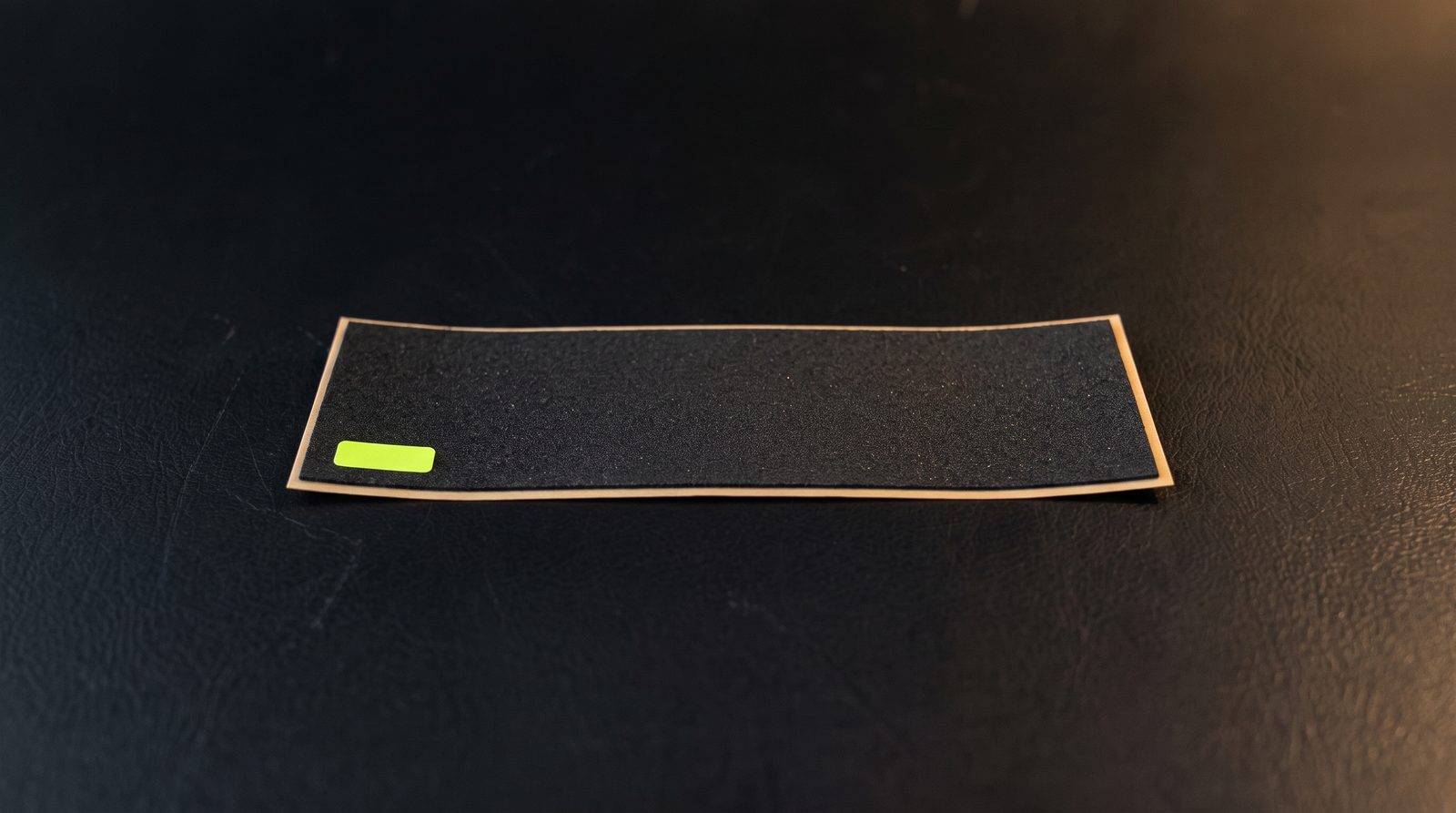
Fingerboard Grip Tape
5 products
Fingerboard grip tape is foam, not sandpaper — a fact that surprises most people new to the hobby. The foam surface grips your fingertips without tearing your skin, and the texture directly affects how flip tricks feel and how cleanly your fingers release from the board.
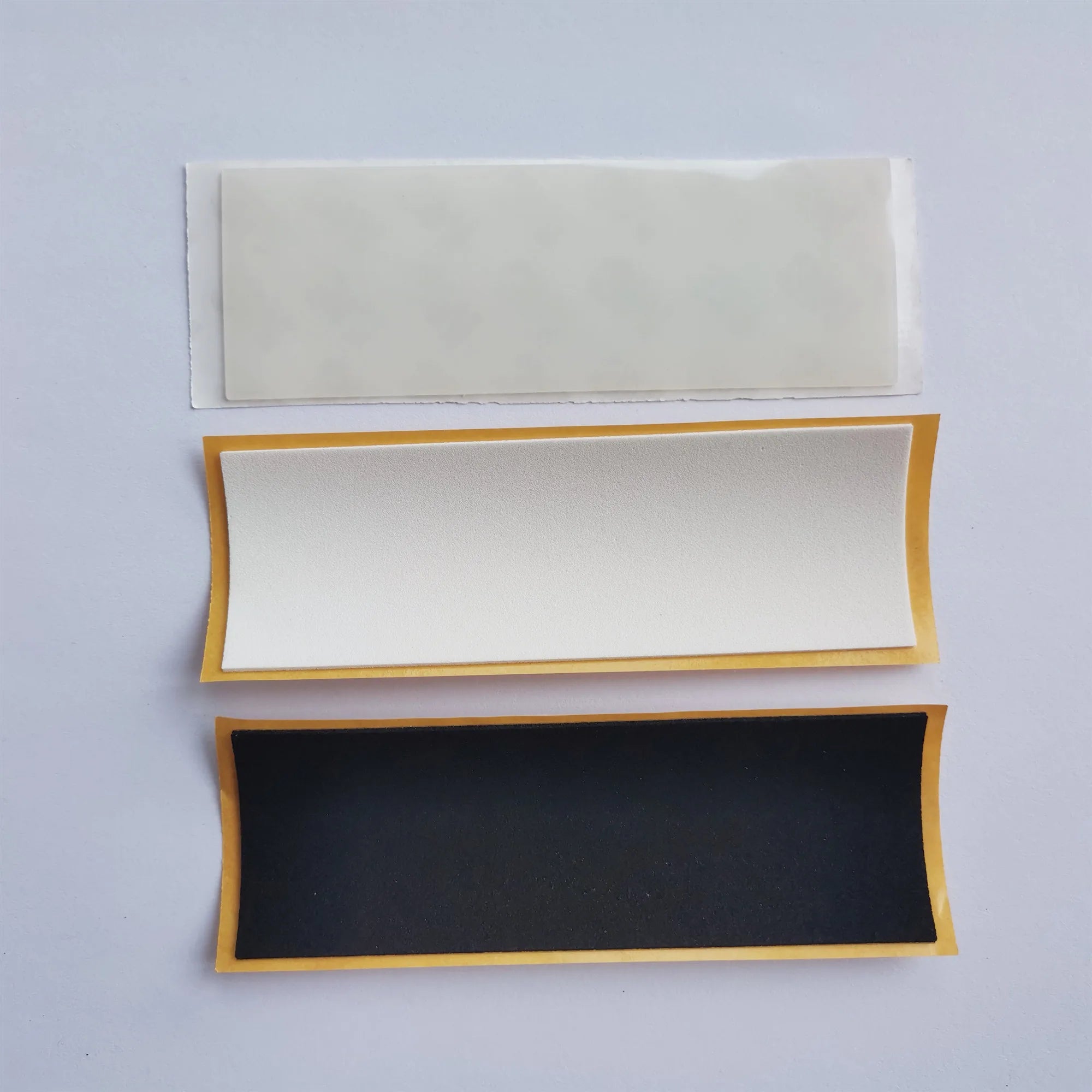
Foam Grip Tape — 110×38mm Uncut Sheets
In stock$13.95 USD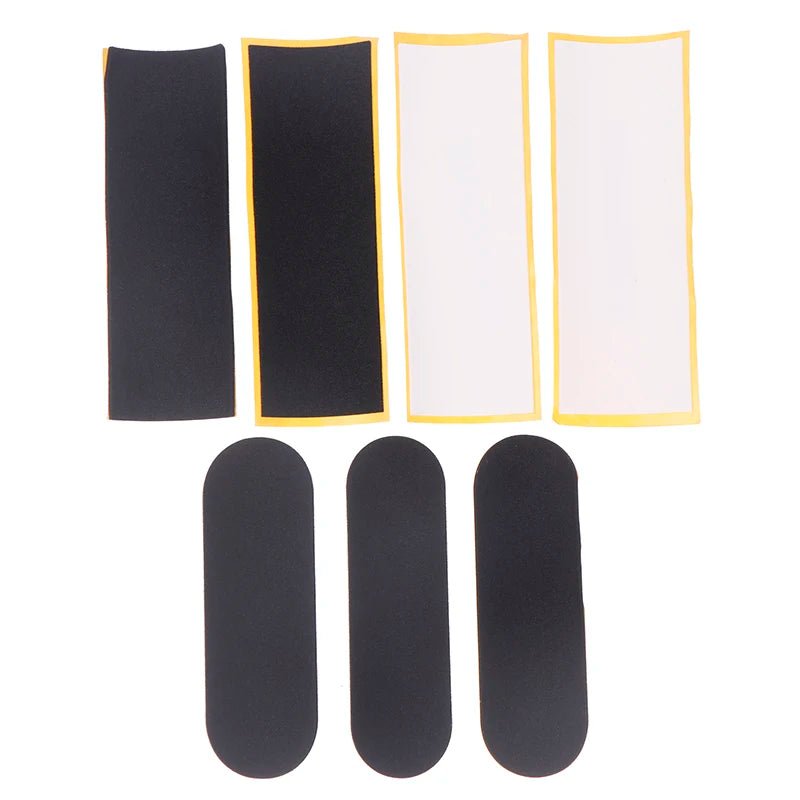
Foam Grip Tape — Anti-Slip Uncut Sheets
In stock$15.95 USD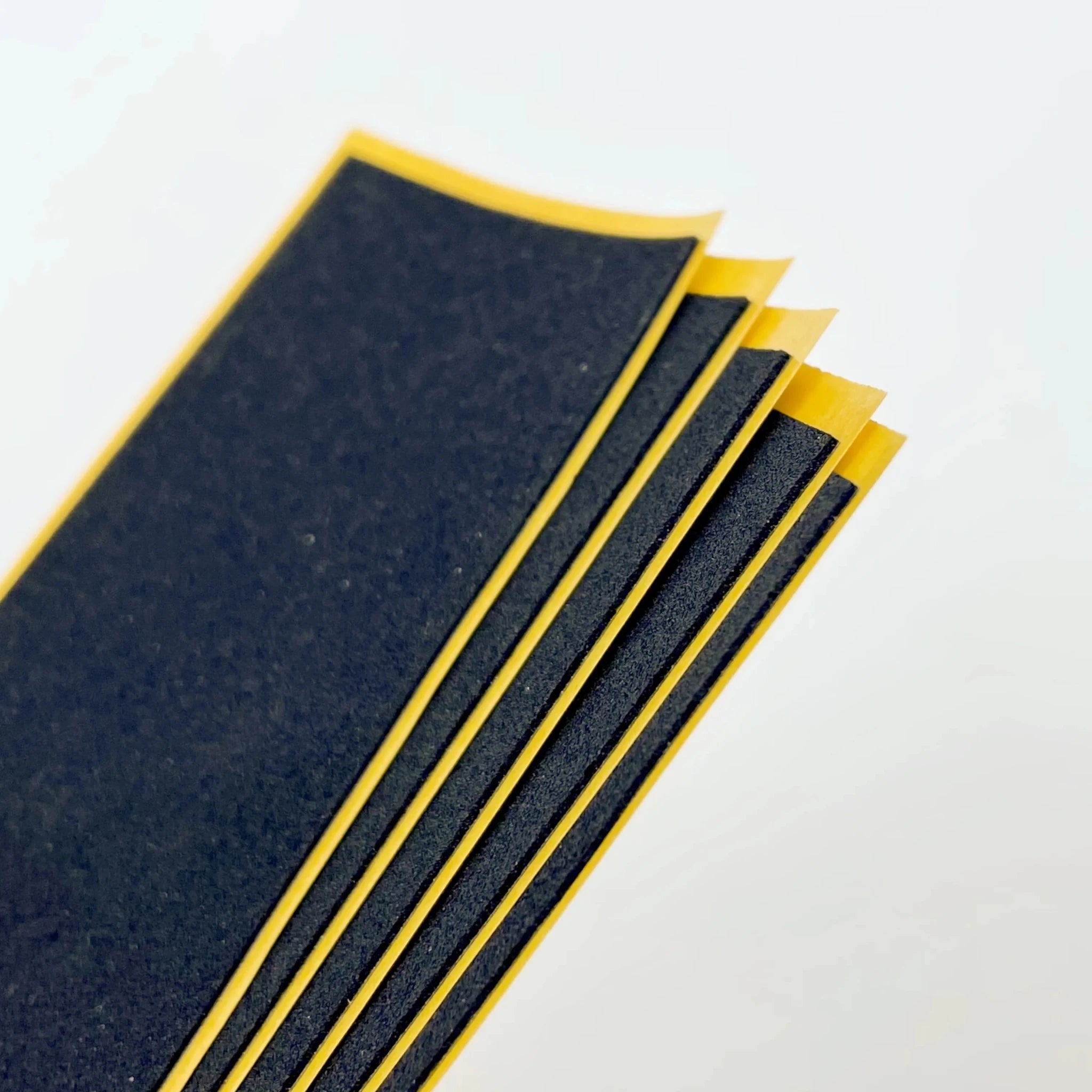
Foam Grip Tape — 0.5mm Thin Uncut Sheets
In stock$16.95 USD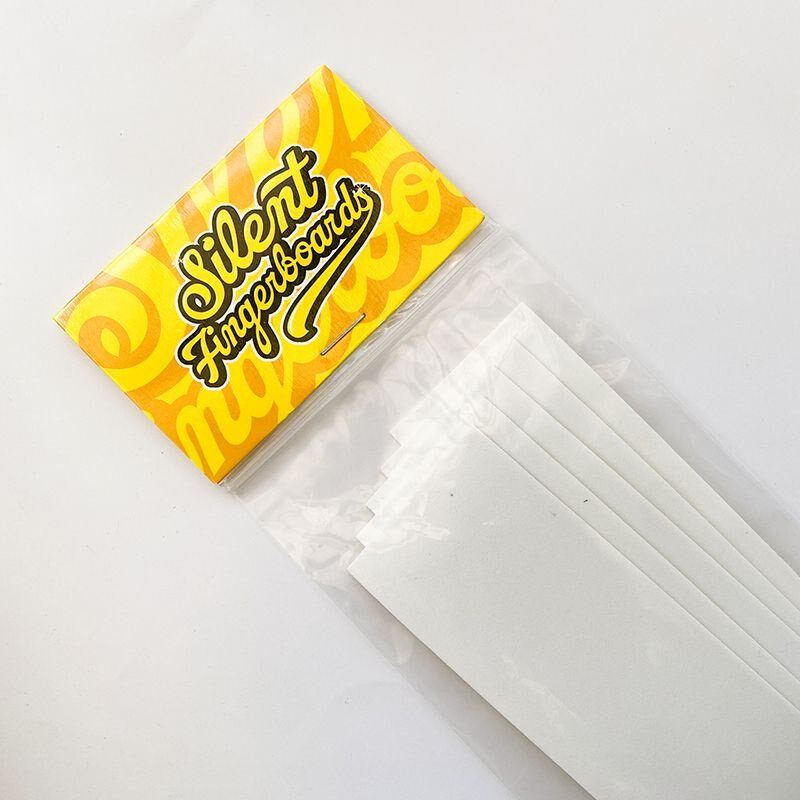
Silent Team Fingerboard Grip Tape — Anti-Slip Foam Pads, 5-Pack
In stock$26.95 USD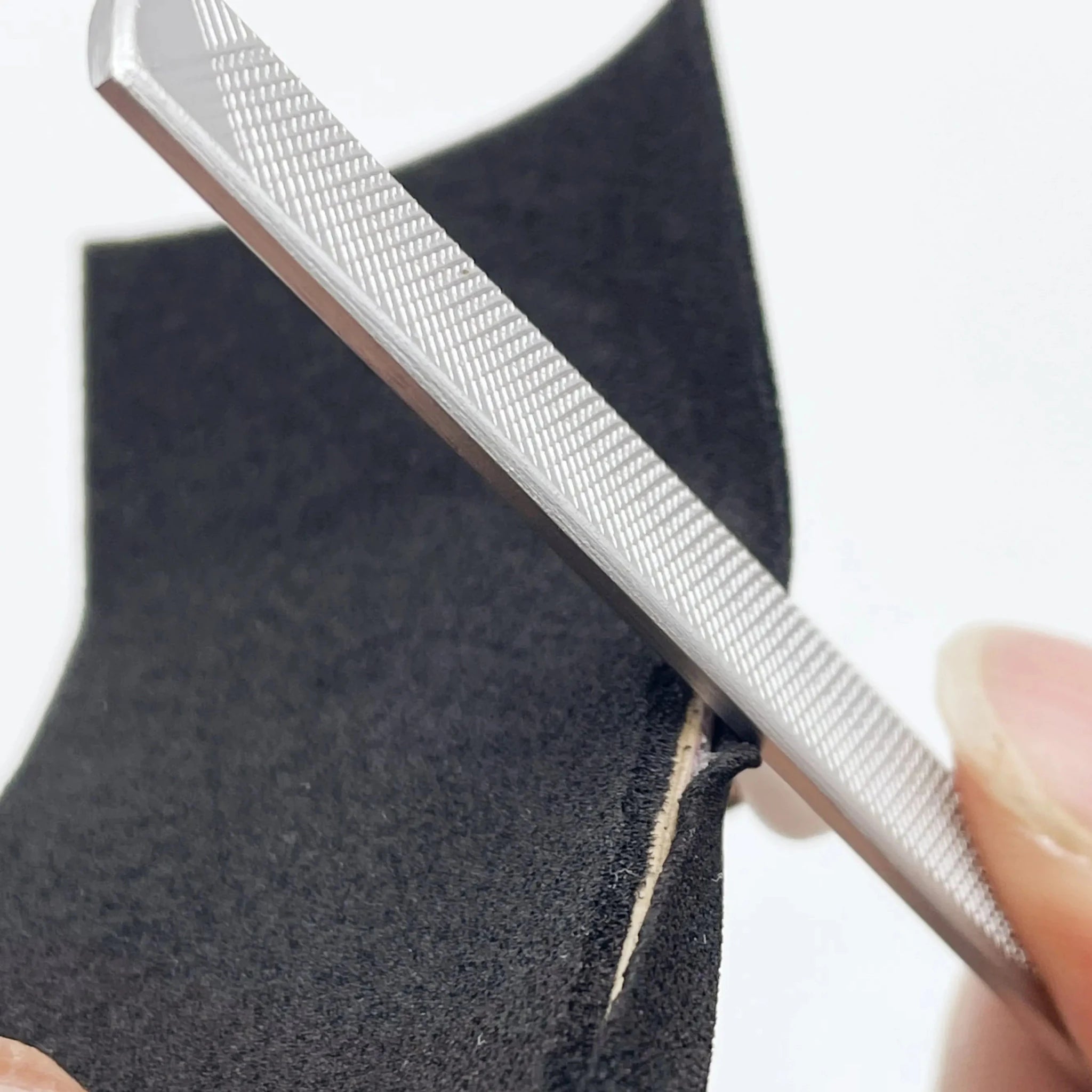
Fingerboard Grip Tape File — Cutting Tool
In stock$27.95 USD
Fingerboard Grip Tape: a buying guide
How foam grip tape works
Foam grip tape for fingerboards uses a thin textured foam layer with a pressure-sensitive adhesive backing. The foam compresses slightly under finger contact, giving grip without abrasion. Finer foam grip tape gives a faster release, which suits flip-trick-heavy riding; coarser textures give more grip for grinds and slides where control matters more than quick flick.
Uncut sheets vs. pre-cut strips
Uncut sheets of fingerboard tape let you trim to your exact deck shape — useful for unusual widths or if you want a specific grip area. Pre-cut strips are quicker to apply and sized for standard deck widths. If you build your own decks or run unusual shapes, an uncut sheet is the right choice. For standard decks, pre-cut options waste less material.
Applying grip tape cleanly
Start from one end and lay the grip down in one smooth motion, pressing from the centre outward to avoid air bubbles. Trim overhang with a sharp blade run flat against the deck edge. Most foam fingerboard grip tape allows repositioning within the first few seconds before the adhesive sets fully.
When to replace your grip
Grip wears from the nose and tail outward. When the texture flattens to the point where tricks feel inconsistent — especially kick flips where release timing matters — it is time to replace. Peel from the tail at a low angle to lift the adhesive cleanly without leaving residue.
Common questions
- What is the best fingerboard grip tape?
- It depends on riding style. Riders focused on technical flip tricks prefer finer foam for quicker release; those who focus on grinds lean toward coarser foam for more control. A mid-texture foam works well across both styles — try one sheet before committing to a bulk order.
- Is fingerboard grip tape the same as riptape?
- Riptape is a brand name that became shorthand for foam fingerboard grip tape. Riptape fingerboard products use foam construction, and most riders use the words interchangeably. Other brands make functionally similar foam grip tape — check the texture description to compare.
- How do I cut foam grip tape to fit my deck?
- Place the sheet face-down, lay the deck face-down on top, and trace the outline lightly with a pen. A sharp craft knife gives the cleanest result. Cut slightly inside your line to avoid overhang, then trim any excess after application.
- Can I put fingerboard tape on a plastic deck?
- Yes. The adhesive on foam fingerboard grip tape bonds to most clean, dry surfaces including plastic. Wipe the deck with a dry cloth first to remove dust and oils. Adhesion on plastic is slightly weaker than on wood, so press the edges down firmly.
Still deciding? Read the build guides or look up a term.