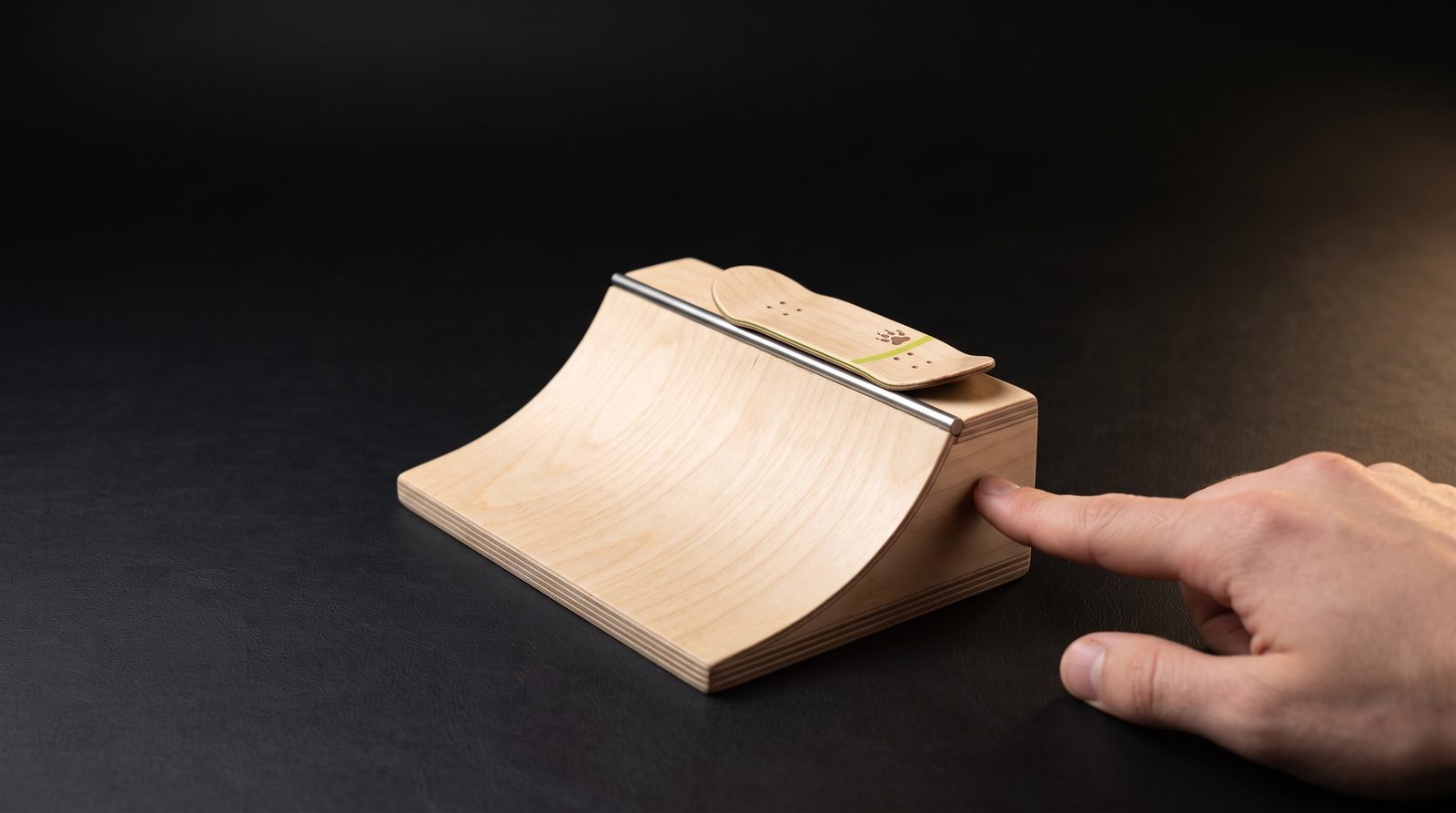
Fingerboard Ramps & Obstacles
16 products
A fingerboard ramp or obstacle changes what the board can do — suddenly there are lines to link, not just flat-ground tricks to repeat. This collection covers individual fingerboard obstacles from grind rails to quarter pipes, half pipes, ledges, stairs and manual pads, selected for scale accuracy and surface quality.
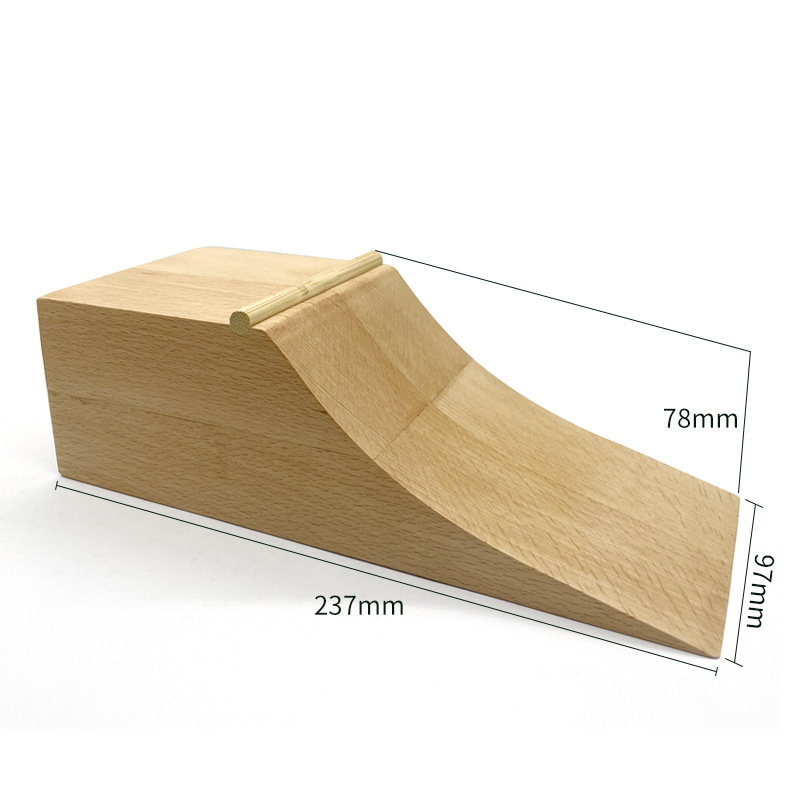 New
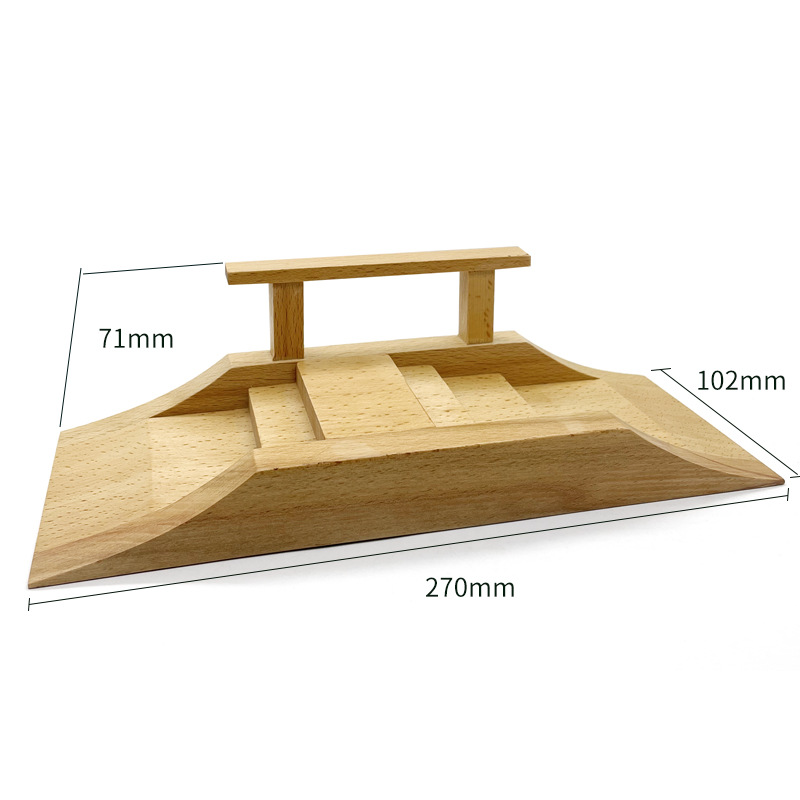
NewWooden Fingerboard Ramp & Obstacle Set — 7 Park Pieces
In stock$18.95 USD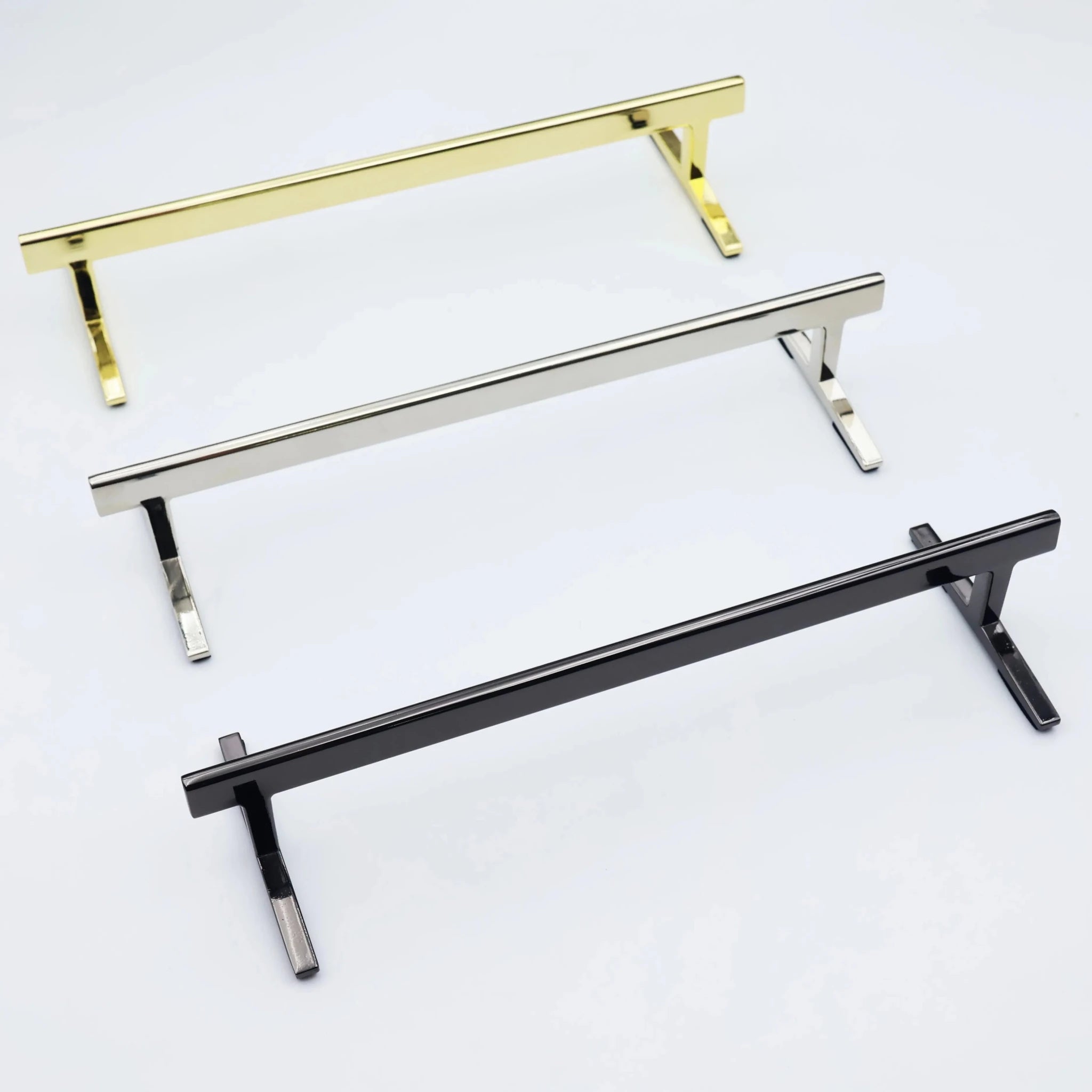
Metal Fingerboard Grind Rail
In stock$39.95 USD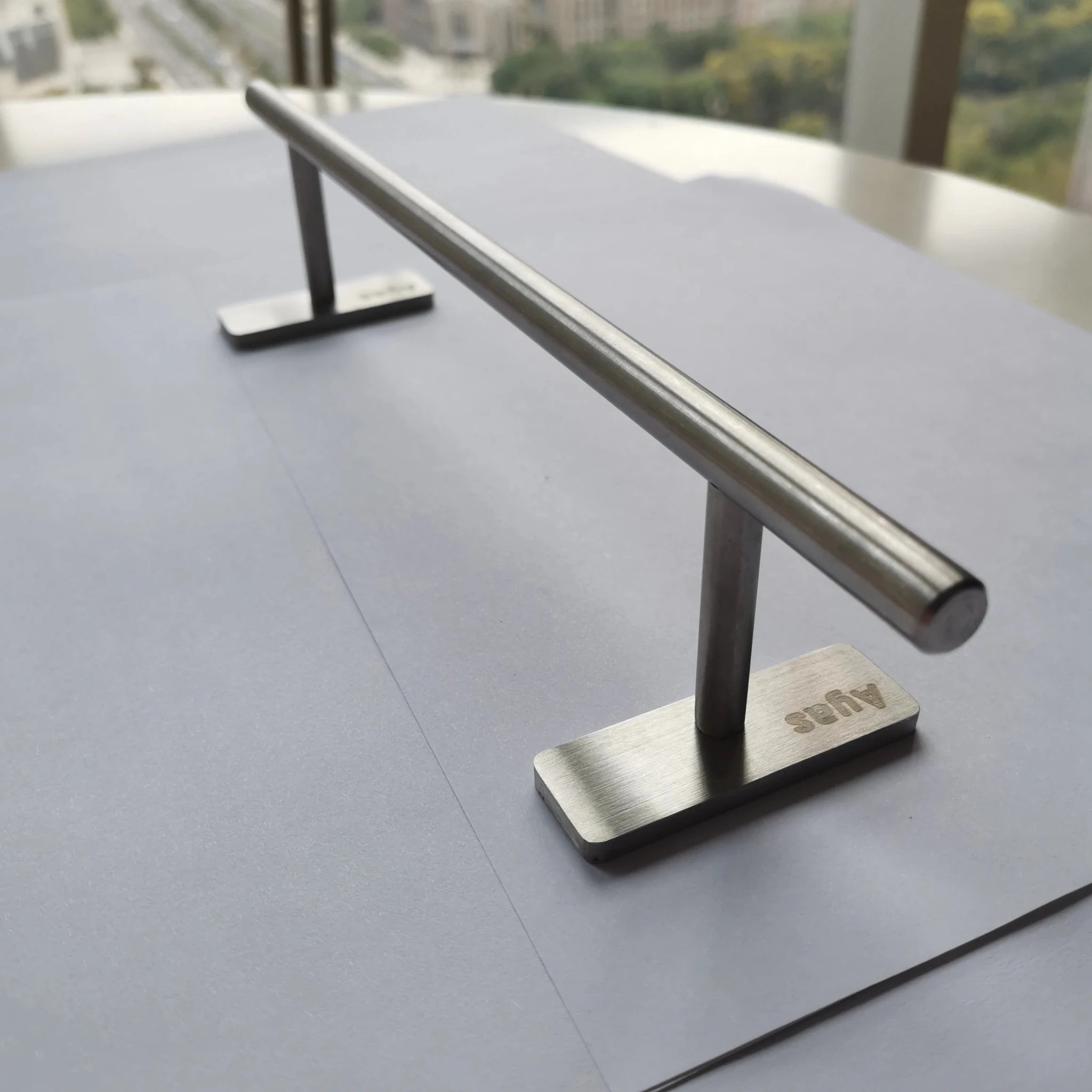
Fingerboard Rail — Solid Detachable Rod
In stock$44.95 USD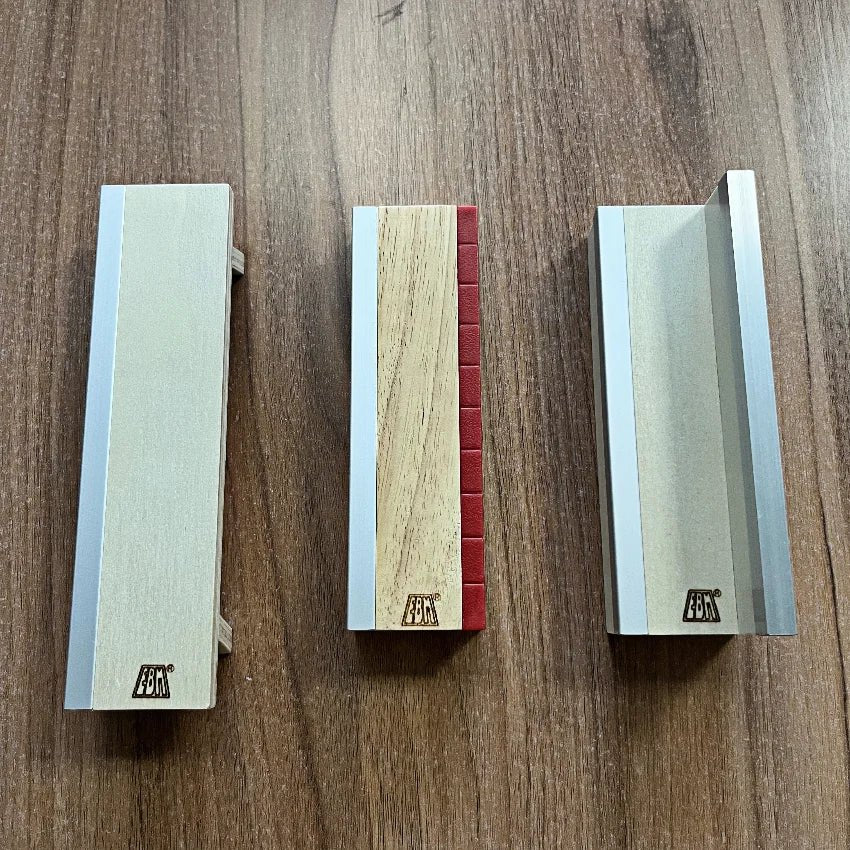
Mini Fingerboard Ramp — Quarter Pipe & Rail
In stock$47.95 USD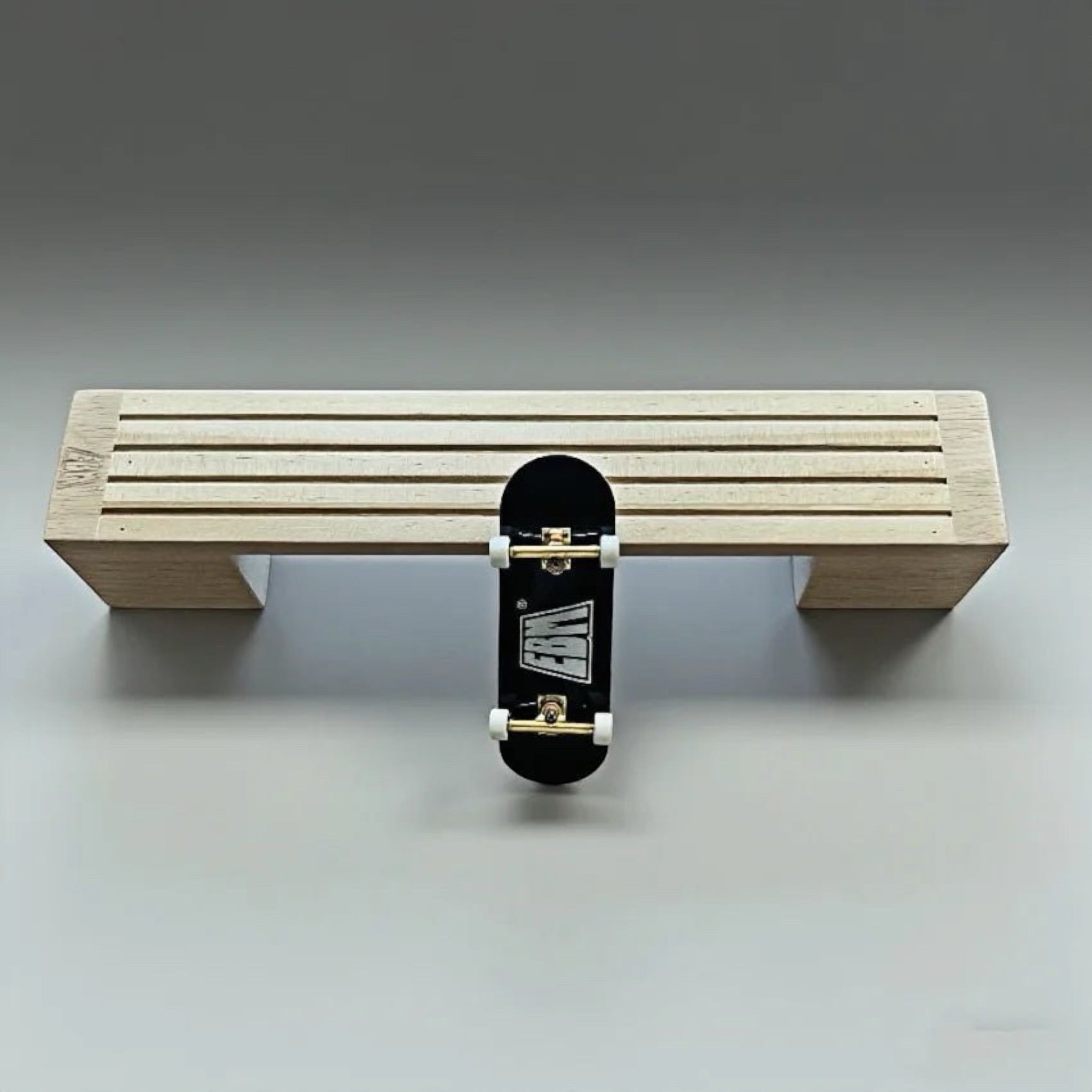
Mini Fingerboard Ramp Set — Wooden Obstacles
In stock$49.95 USD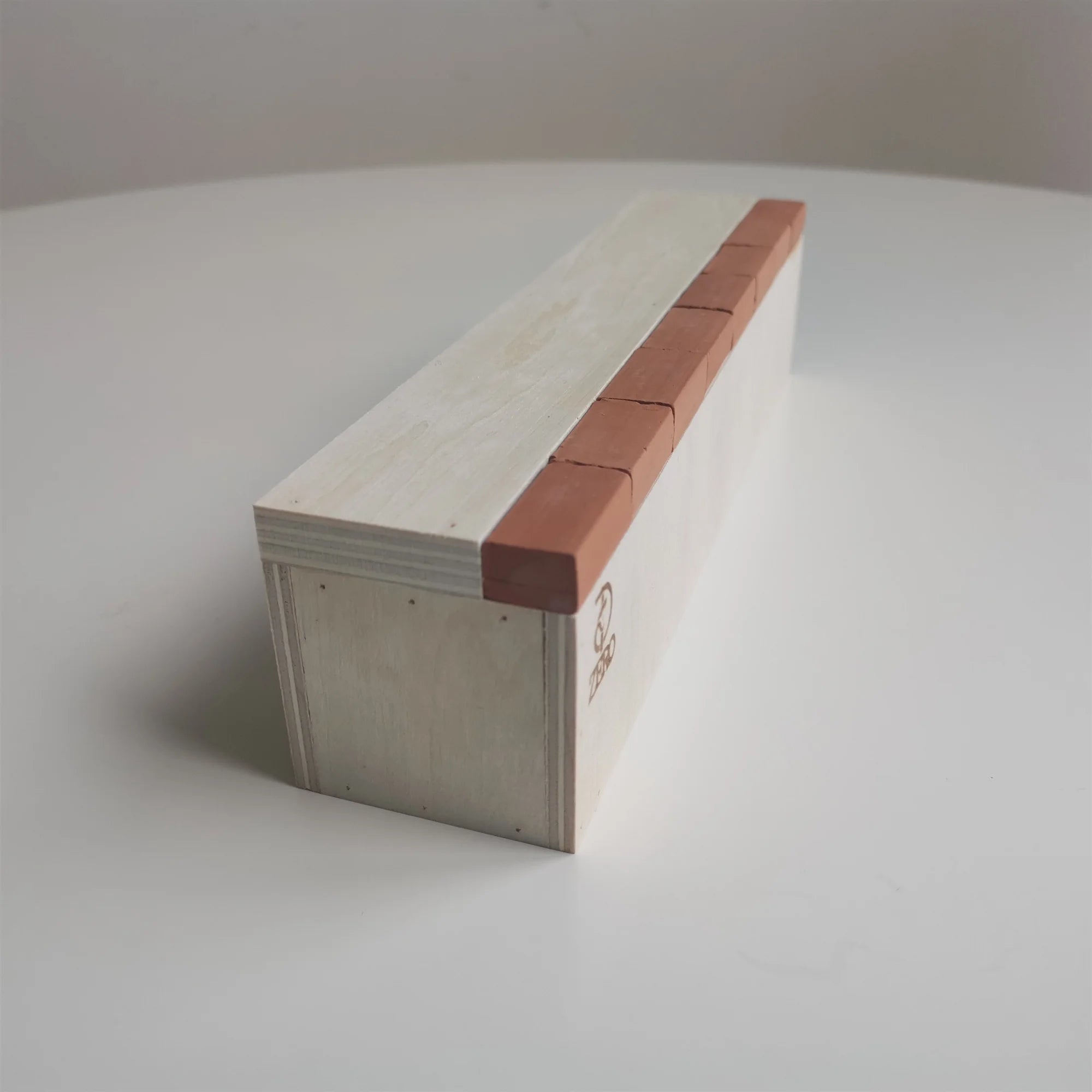
Fingerboard Obstacle Wall — Brick / Marble Finish
In stock$52.95 USD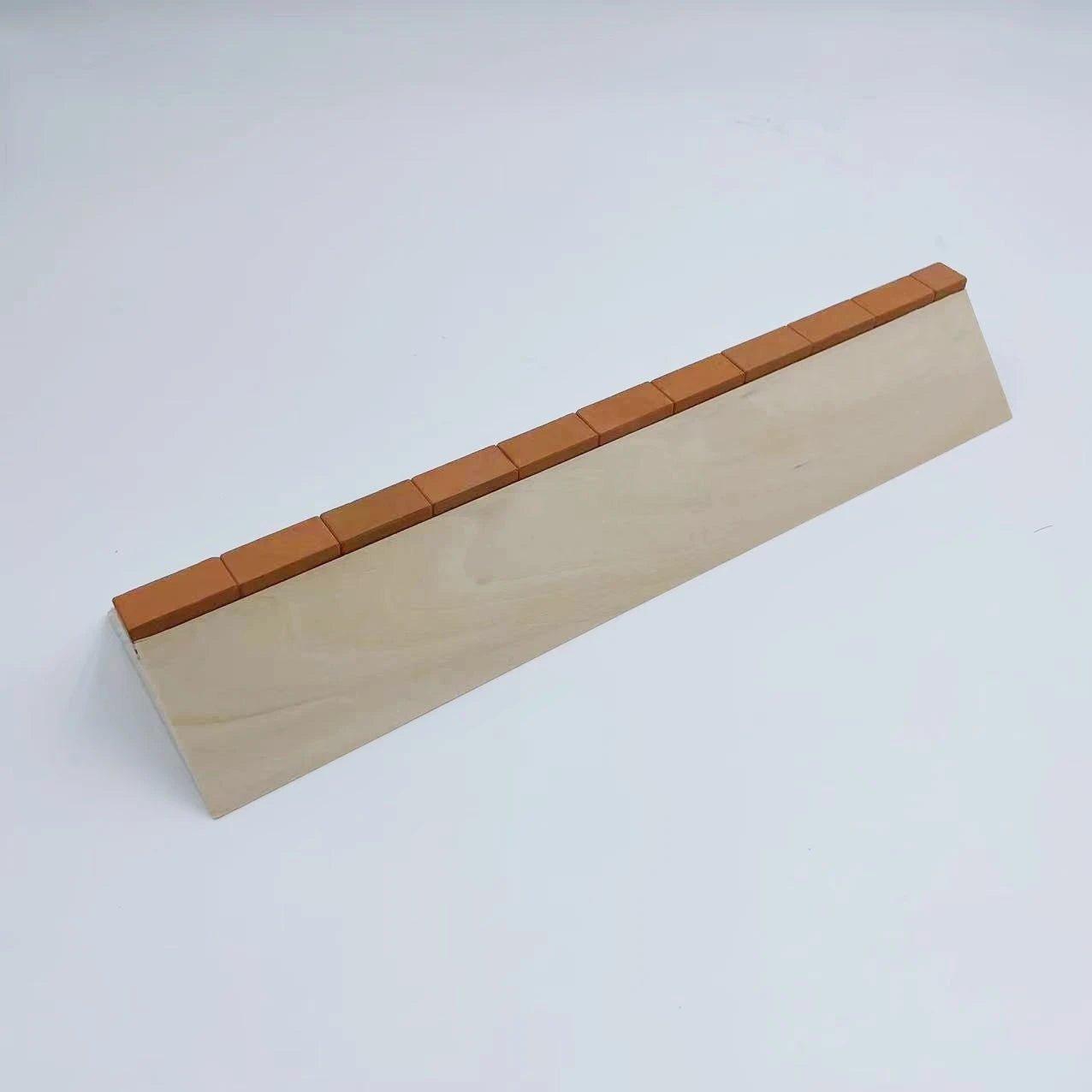
Triangular Fingerboard Ramp — Brick Finish
In stock$56.95 USD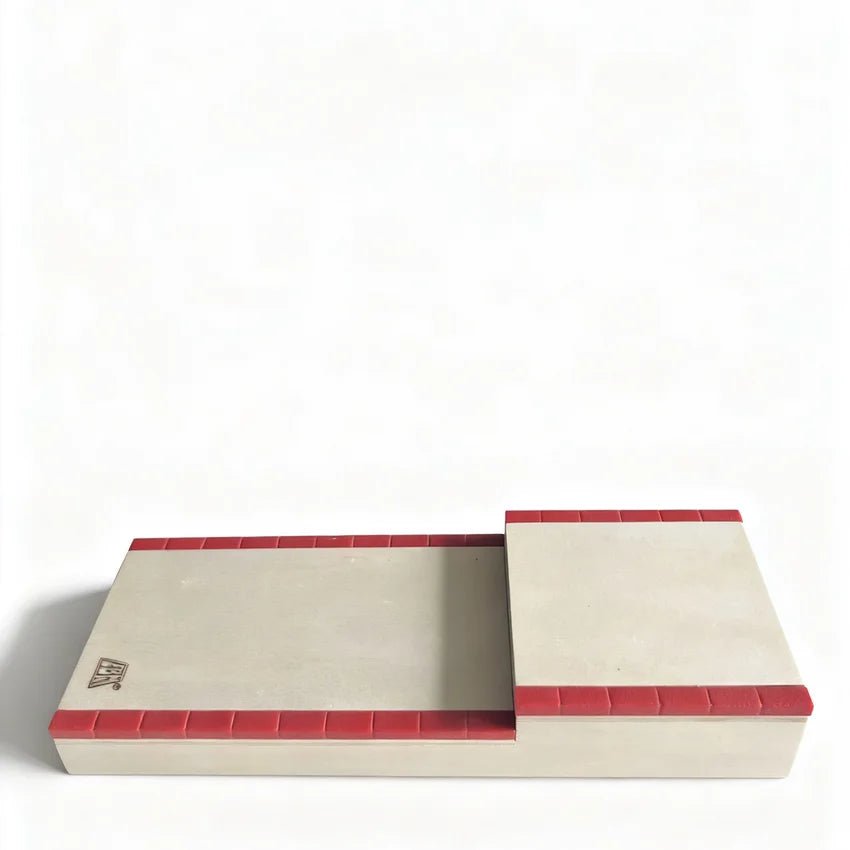
Wooden Fingerboard Ramp Set — Rails & Ledges
In stock$59.95 USD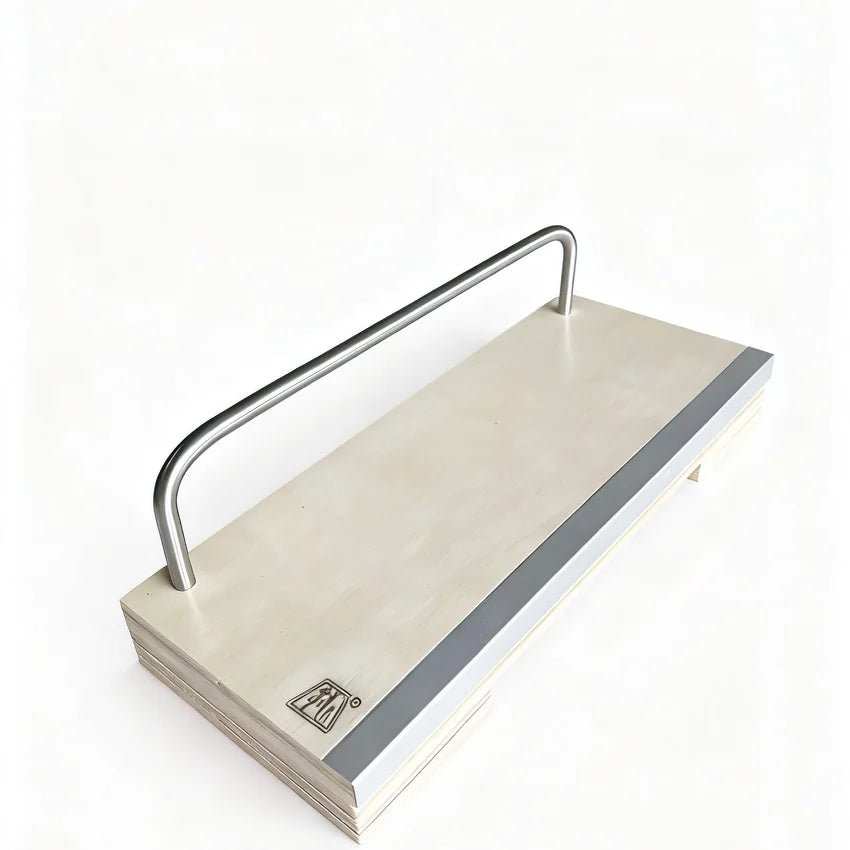
Fingerboard Rail & Ledge Obstacle
In stock$59.95 USD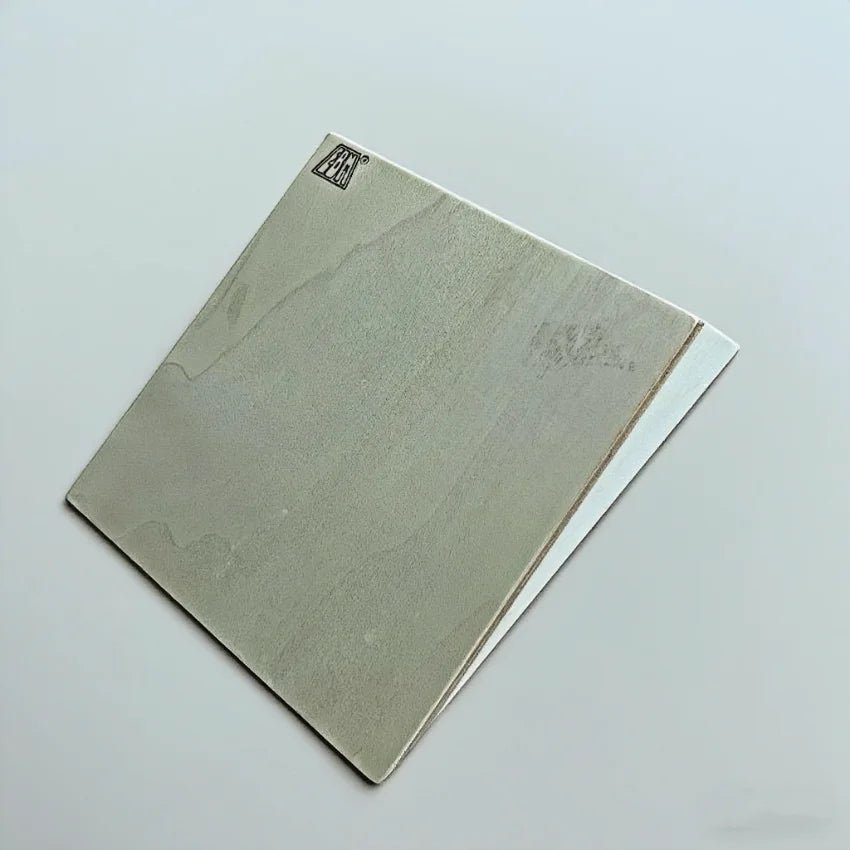
Wooden Kicker Ramp — Portable Tabletop
In stock$62.95 USD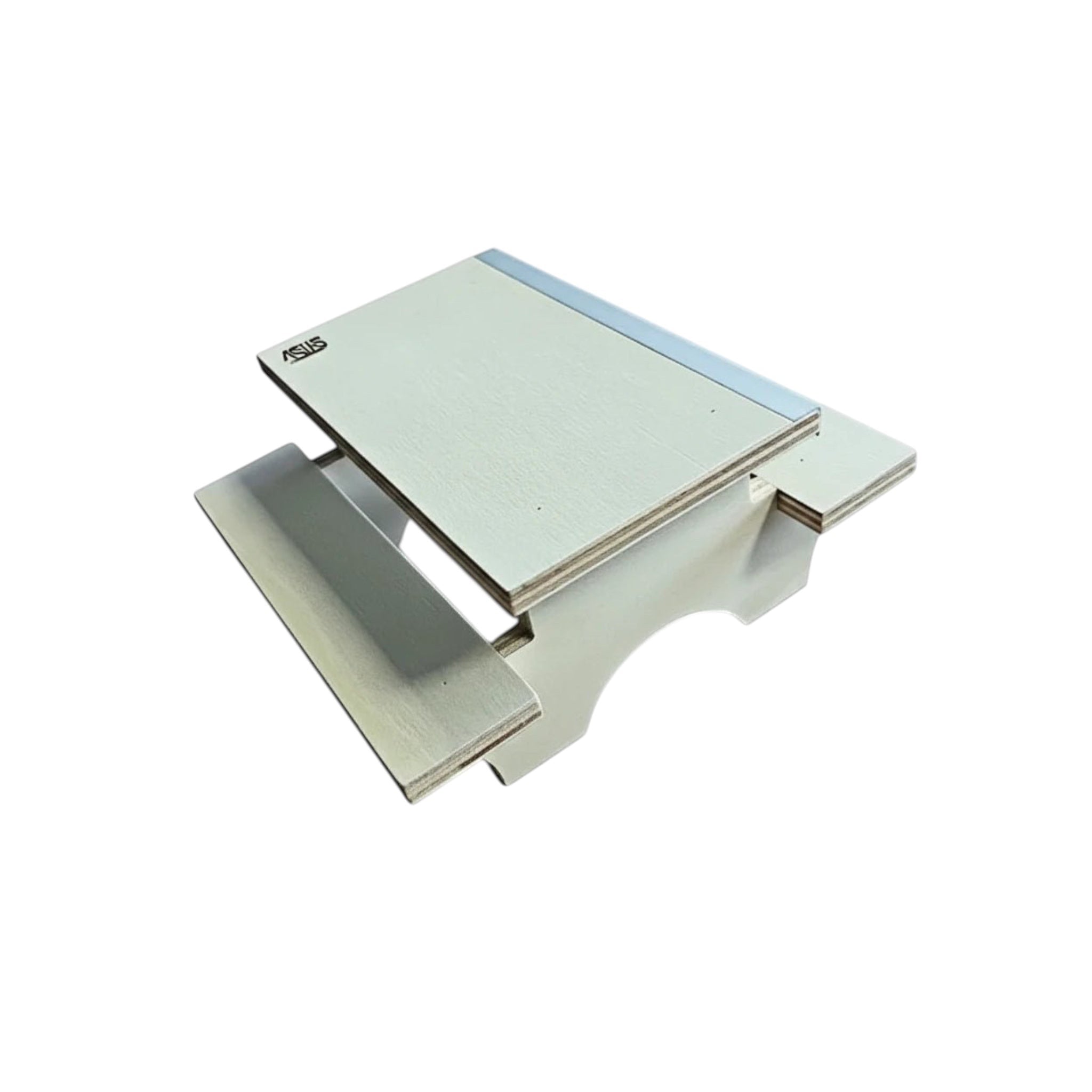
Dining Table Fingerboard Obstacle — Portable
In stock$62.95 USD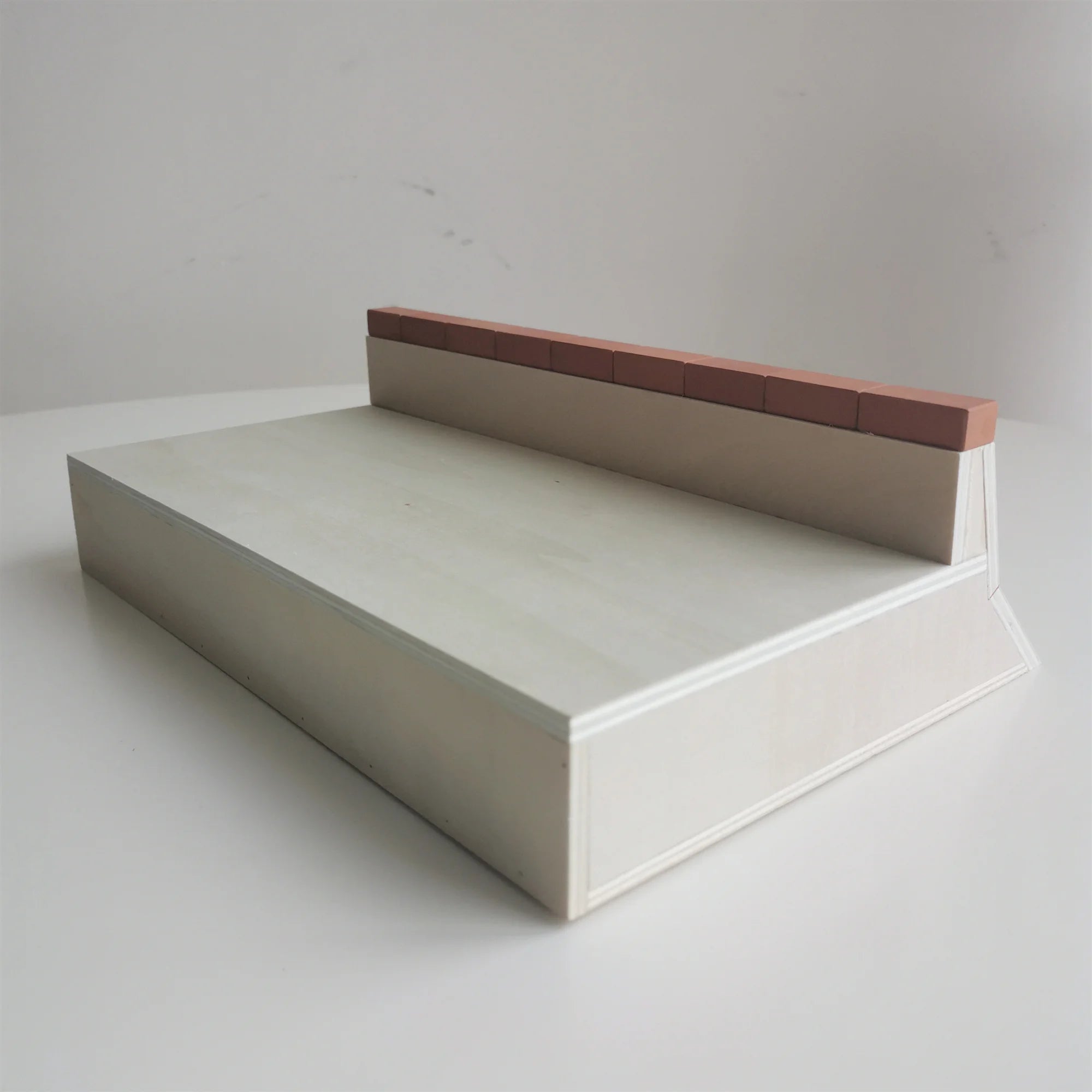
Handmade Wooden Fingerboard Ramp
In stock$67.95 USD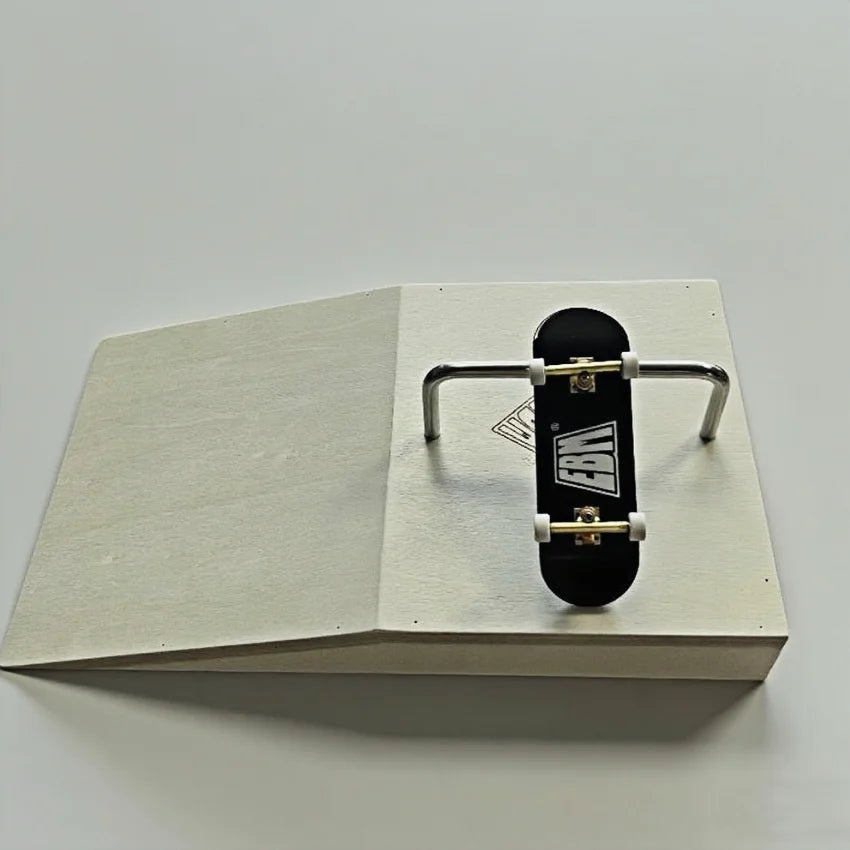
Quarter Pipe & Grind Rail Obstacle
In stock$69.95 USD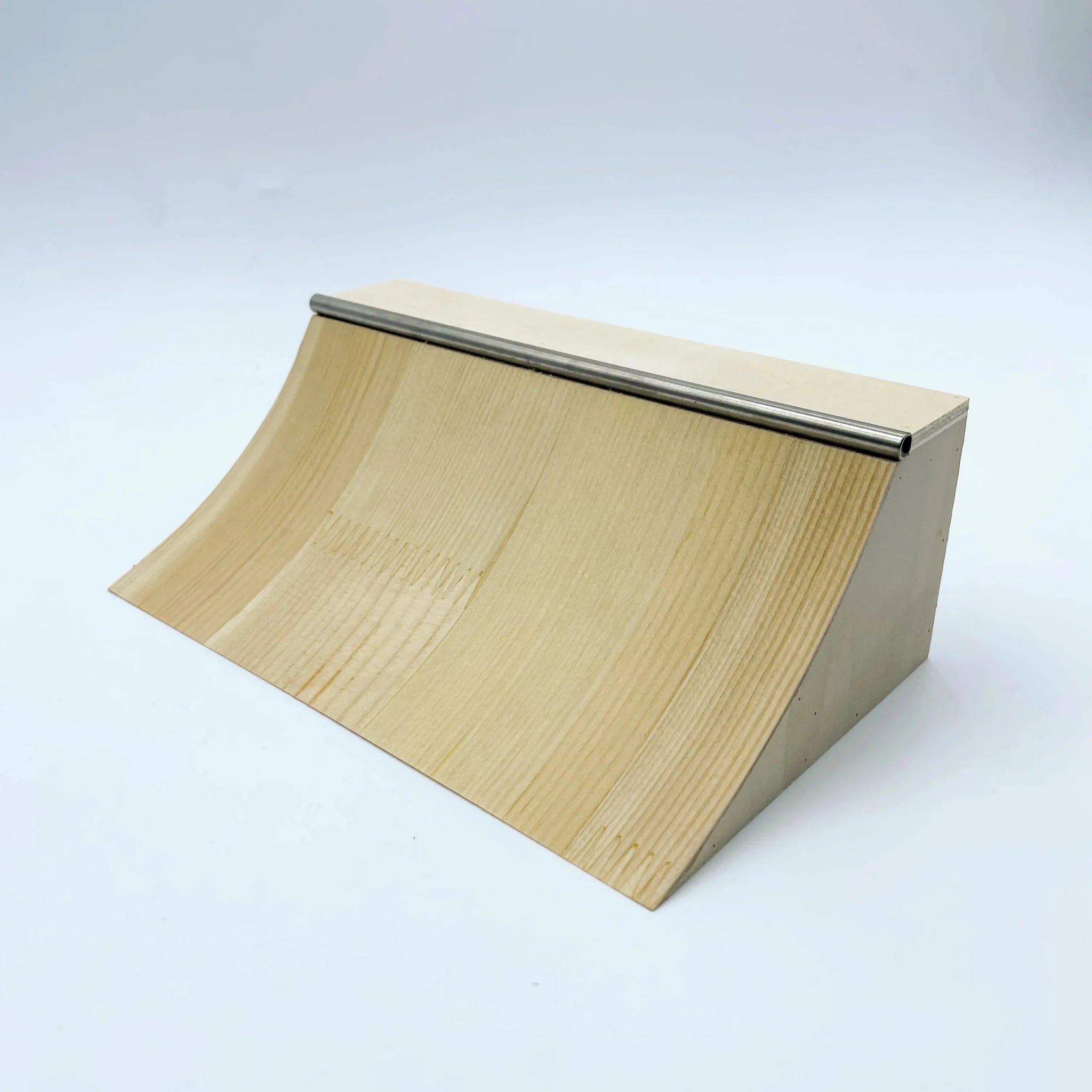
Quarter Pipe Fingerboard Ramp
In stock$72.95 USD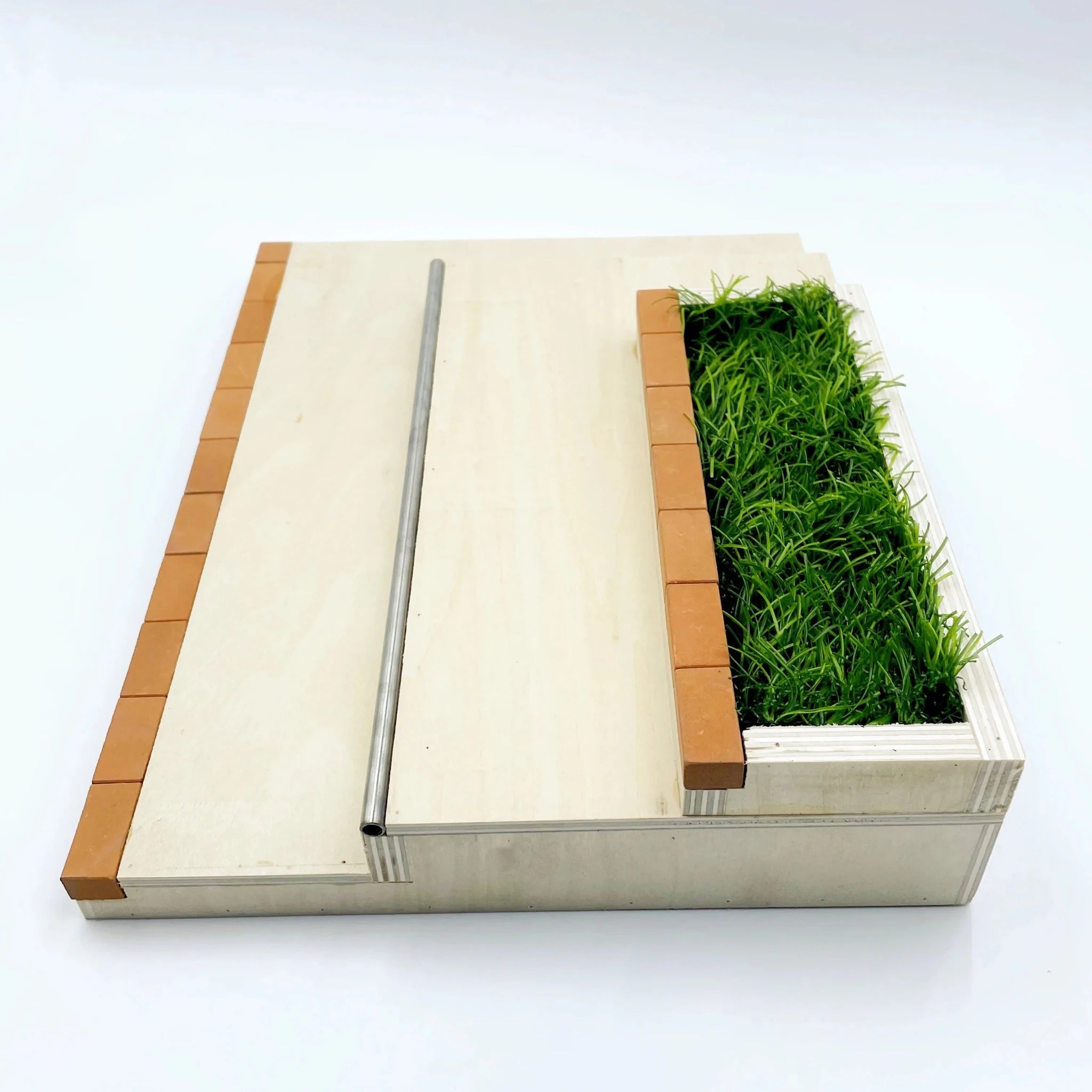
Wooden Stairs with Brick Finish & Metal Rail
In stock$79.95 USD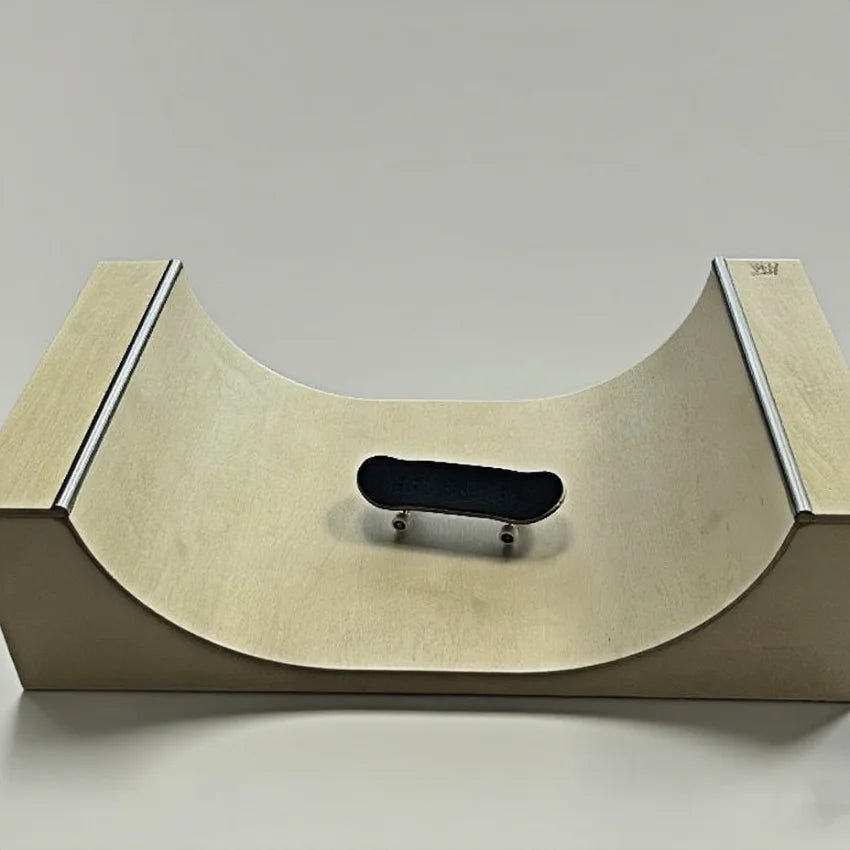
Wooden Half Pipe Fingerboard Ramp
In stock$94.95 USD
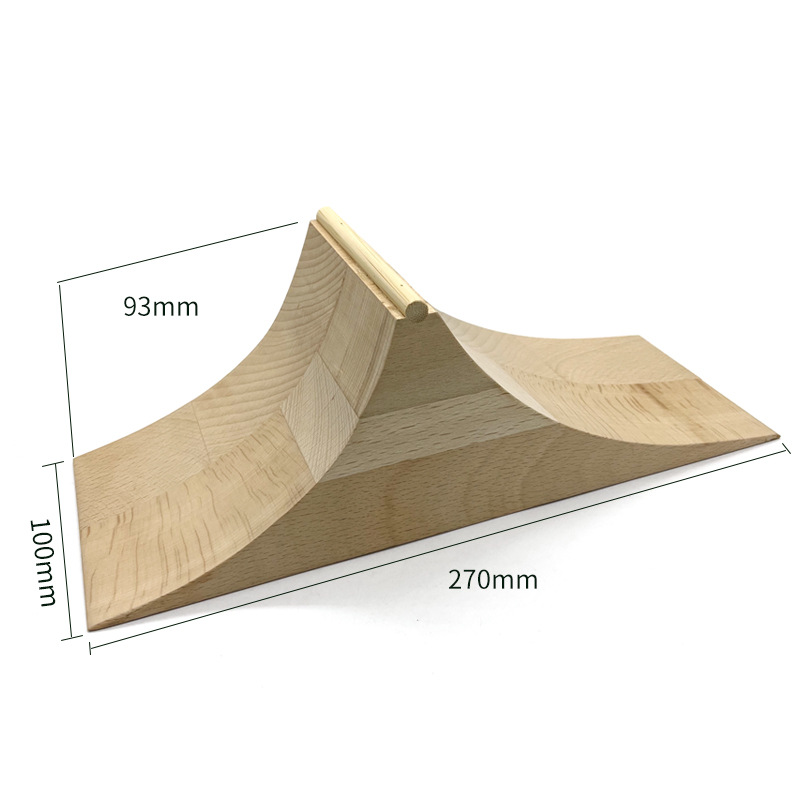
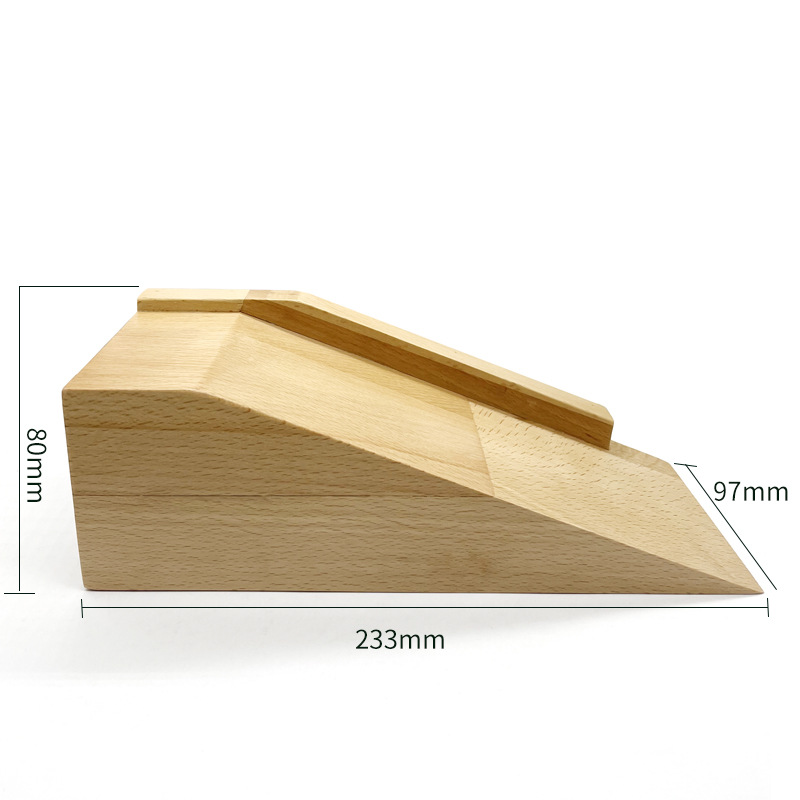
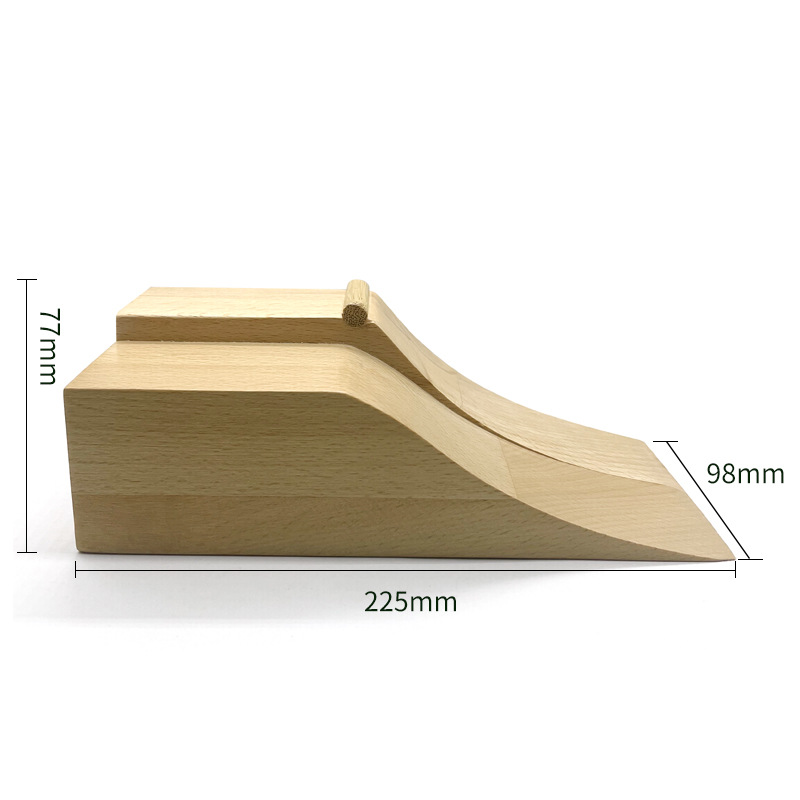
Fingerboard Ramps & Obstacles: a buying guide
Rails and grind obstacles
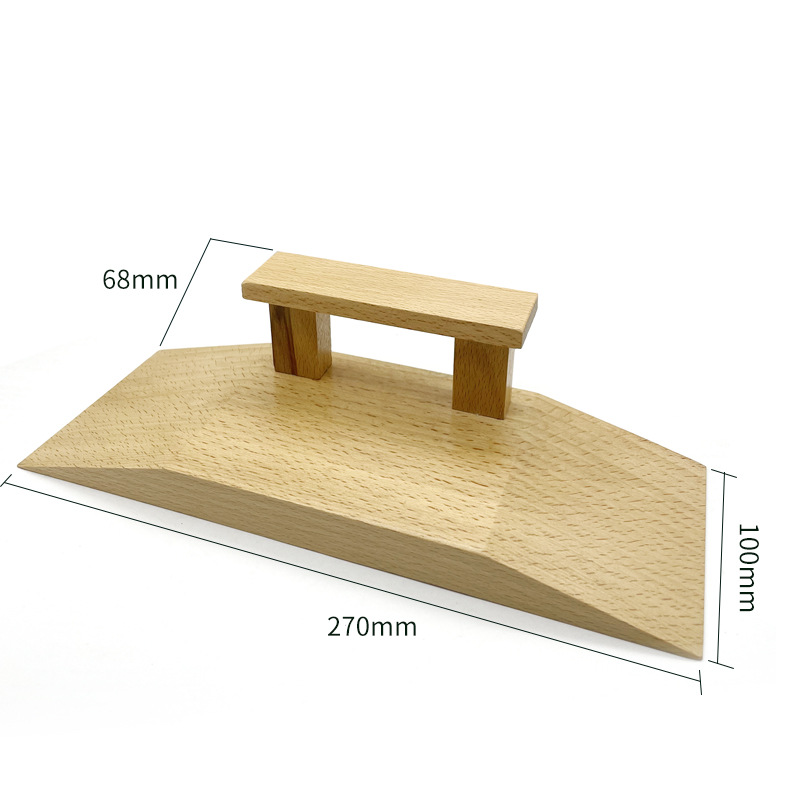
A fingerboard grind rail is one of the most-used obstacles in any setup because grinds are fundamental to the style. Rail height, diameter and surface finish all affect the trick. Fingerboard rail obstacles here specify material and diameter in the listing. Metal rails give the sharpest grind feel; waxed wood surfaces work well for nose grinds and noseslides.
Quarter pipes and half pipes
A fingerboard quarter pipe needs a smooth, consistent curve to roll up and land back on cleanly. Poorly constructed ramps have flat spots that interrupt the line. A fingerboard half pipe doubles the setup, allowing lip tricks on both sides across a compact footprint. Wooden fingerboard ramps with a laminate surface outlast painted MDF alternatives — the surface stays smooth through thousands of runs.
Ledges, manual pads and stairs
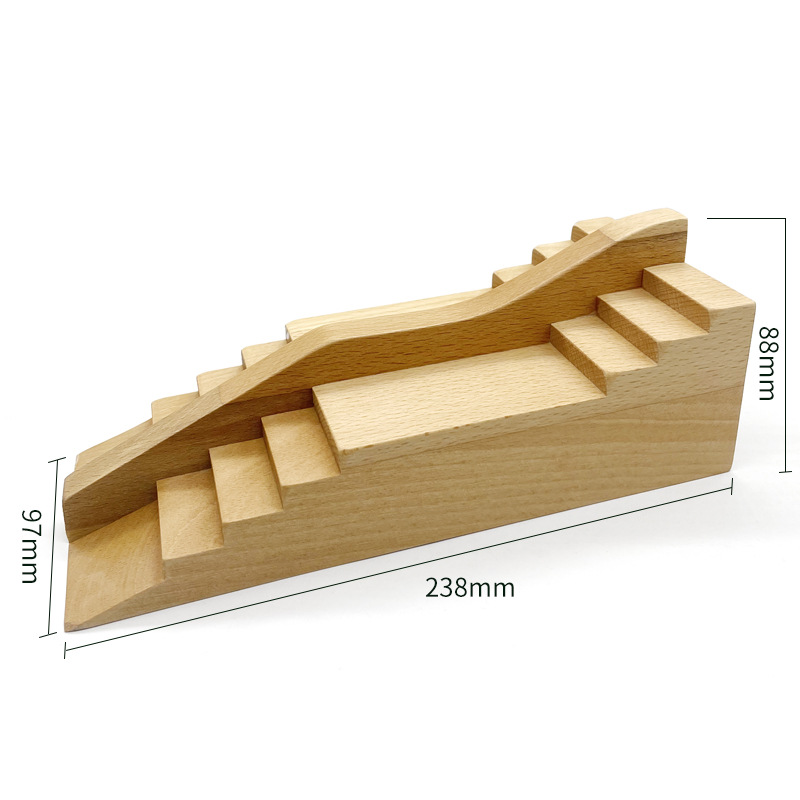
A fingerboard ledge lets you skate waxed marble or concrete textures in miniature. A fingerboard manual pad is flat on top with a slight bevel at entry and exit, built specifically for nose manuals, tail manuals and manual-to-trick combinations. Fingerboard stairs combined with a rail create multi-element lines that mimic real street skating more closely than any single obstacle can.
Building a modular setup
Most riders start with a single fingerboard obstacle and add pieces as their skating develops. A grind rail or small ledge is the natural first purchase; quarter pipes become relevant once flat-ground tricks are consistent. The obstacles here are designed at a consistent scale so pieces sit together naturally on a flat surface.
Common questions
- What fingerboard obstacles should I buy first?
- A fingerboard grind rail is the most versatile single obstacle — every riding style uses it. A small ledge is the next most-used piece for street riders. If you skate transition rather than street, a quarter pipe replaces the rail as the first purchase.
- How big are fingerboard ramps in real dimensions?
- Most fingerboard ramps are built to roughly 1:8 scale, compatible with standard 32–36mm decks. A full-size quarter pipe translates to roughly 12–18cm tall for a fingerboard version. Check the height, width and transition radius listed in each product description.
- What is a fingerboard quarter pipe used for?
- A fingerboard quarter pipe is a curved ramp that transitions from flat ground to vertical, used for rolling up into aerial tricks, stalls and lip tricks at the top. It is the fundamental park obstacle in fingerboarding. A fingerboard half pipe is two quarter pipes facing each other — larger footprint, more trick variety.
- Do fingerboard obstacles work on any surface?
- Most work best on a smooth, flat surface — a table, desk or a foam or acrylic mat. On rough surfaces, obstacles shift during skating and the board catches on surface irregularities between the obstacle and the ground. A smooth mat beneath the setup keeps everything stable.
- Can I mix obstacles from different brands?
- Yes, as long as the scale is consistent. Most pro-level fingerboard obstacles are built to a compatible scale, so mixing a rail from one maker with a ledge from another is common. Height is the most important spec for visual consistency when pieces sit side by side.
Still deciding? Read the build guides or look up a term.